

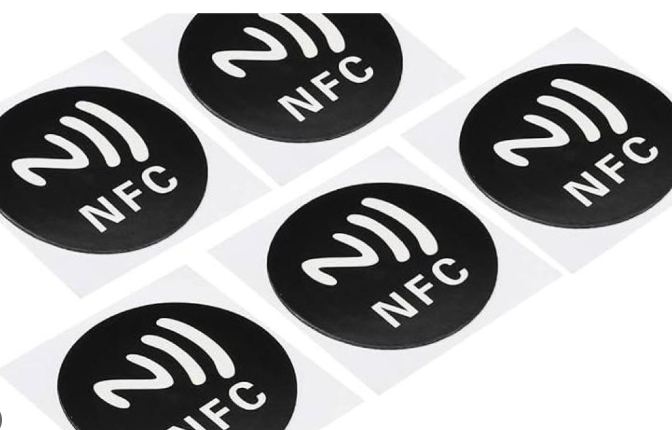
NFC Tagging: A Simple Overview
NFC (Near Field Communication) tagging is a cutting-edge technology that enables devices to communicate wirelessly when they are in close proximity, typically within a few centimetres. This innovative method involves attaching small tags to various objects, allowing users to access information effortlessly. When you request a tag, we affix an NFC tag that can store specific information related to the item.
The advantages of NFC tagging for users are substantial. Firstly, it provides instant access to detailed information simply by tapping your smartphone or NFC-enabled device against the tag. This eliminates the need to sift through searching for specific information. Secondly, it enriches the educational experience for both children and adults, fostering interactive learning about the items in their environment. Lastly, NFC tags can be easily updated, ensuring that the information remains current and relevant for years to come.
By tagging each item upon request, we facilitate a deeper connection with these fascinating objects, enhancing your understanding of their characteristics and uses. Moreover, you have the freedom to choose what information you want to share with your audience. Using playful themes, like frogs, adds a quirky touch—especially for events such as weddings, where it symbolises the idea of kissing a frog to find your prince.
NFC Tagging: What It Is and Its Benefits
NFC (Near Field Communication) tagging is a technology that allows devices to communicate wirelessly over short distances, typically a few centimetres. It’s commonly used in smartphones, tablets, and other smart devices to enable quick data transfer. Inserting NFC tags is straightforward; you simply need to embed a small chip within an object, such as a sticker, card, or even a piece of jewellery. Once the NFC tag is in place, users can tap their NFC-enabled device against it to access information or perform specific actions, such as opening a website, sharing contact details, or launching an app.
Benefits of NFC Tagging for Users
The benefits of NFC tagging are numerous, especially for personal use. Firstly, it enhances convenience; users can retrieve information quickly without the need for manual input. For instance, instead of typing a long URL, a simple tap on an NFC tag can take you directly to a website. Additionally, NFC tags can store a variety of data types, including URLs, text, and contact information, making them versatile for personal organisation.
Moreover, NFC tagging can improve security. Many users opt to use NFC-enabled devices for secure transactions, such as mobile payments, which are often more secure than traditional methods. With the increasing focus on privacy, NFC tags can also be programmed to share only specific information, allowing users to control what data they share and with whom.
Updating Information Over Time
One of the most significant advantages of NFC tagging is the ability to update the information stored on the tags. Unlike traditional methods, where data is fixed, NFC tags can be reprogrammed to reflect new information. This means that users can keep their NFC tags relevant for years to come. For example, if a user has an NFC tag linked to their business card, they can easily update the contact details or website link without needing to print new cards. This flexibility not only saves time and resources but also ensures that recipients always have access to the most current information.
In conclusion, NFC tagging is a powerful tool that offers numerous benefits to users, from convenience and security to the ability to update information easily. As technology continues to evolve, the potential applications for NFC tagging will only expand, making it a valuable asset for personal and professional use.